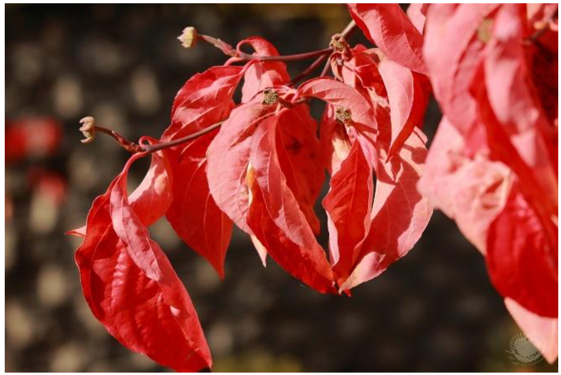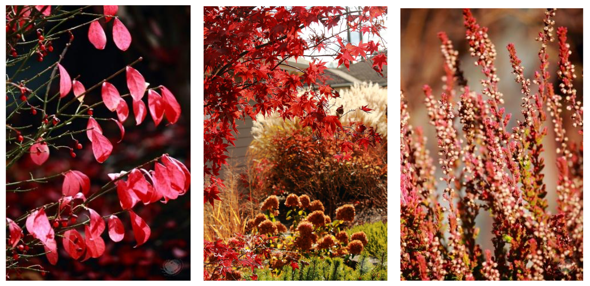
Photo credit: Chuck & Janet’s Landscape – Gardens ALIVE Design
Fall in the Pacific Northwest means cozy rain gear, insulated rubber boots, and approximately 47 shades of gray in the sky. It also means colorful leaves, sparkly frost, and a yard that looks like nature hit the “shuffle” button. Before you declare your garden a lost cause until spring, here’s the plot twist: your yard doesn’t need to be spotless to thrive! King County is home to approximately 220 bird species throughout the year, including seasonal visitors and year-round residents. Chickadees, juncos, towhees, and other local birds need food and shelter as the weather cools, and fallen leaves, dried flowers, and seed heads can help support the insects and seeds they rely on. The goal isn’t to eliminate every leaf like it is a plague; it’s to give your landscape a little intentional TLC. Clear slippery leaves from walkways, keep storm drains flowing, and leave some leaf litter beneath trees and shrubs where it can protect the soil and provide wildlife habitat. Think of it as a yard remodel, not a full-blown landscape demolition.
Ready to tackle the soggy-season chaos without accidentally evicting your tiniest tenants? Grab your clean – dry gloves, embrace your main-character-in-a-Pacific-Northwest-movie moment, and tackle one small area at a time. Keep seed heads on coneflowers, black-eyed Susans, and asters. Leave some leaves beneath established shrubs, keep ornamental grasses standing for winter interest, and avoid unnecessary pruning so wildlife can continue finding sanctuary and safety in your yard. Want a little more proof that leaving the leaves matters? A study of residential yards in Maryland found that areas where leaves were removed had 45% fewer emerging butterflies and moths, 56% fewer spiders, and 24% fewer beetles than areas where leaves were left undisturbed. That’s a lot of tiny garden residents lost to an overly ambitious cleanup. Save the heavy-duty cleanup for what needs attention and skip pesticides that can harm beneficial insects. Bonus motivation: set a 15-minute timer, put on your favorite playlist, and focus on one task. You don’t need to transform the entire yard before your tea gets cold. Small, consistent efforts count—and your future spring garden will thank you.
Let’s be real: soggy-season yard work isn’t everyone’s idea of a good time. Sometimes the moss is thriving, the mud is winning, and your gardening gloves feel like they’ve been marinating in a puddle since October. But a little thoughtful maintenance now can make your yard safer, healthier, and more wildlife-friendly through winter. Keep a shallow birdbath clean and filled with fresh water, remove diseased plant material, and leave natural areas where leaves and stems can do their thing. Avoid walking on waterlogged soil or working on saturated lawns, since that can compact the soil and damage grass. At Gardens ALIVE Design, I believe great landscapes can look beautiful while supporting the living things that make them special. This fall, trade perfectionism for purpose, get outside for a little fresh air between rain showers, and give nature some breathing room. Your soggy-season motto? Protect the habitat, celebrate the small wins, and remember: you’re not behind on yard work, you’re building a better backyard, one seed head at a time.