


Inspired by Wintering by Katherine May
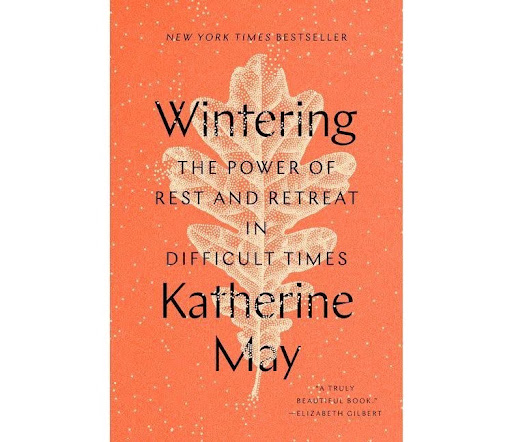
As our daylight begins to dwindle, as cool evenings creep in – I’m reminded of a wonderful book that a dear friend recommended during some difficult days that helped me to survive during that darkness. Whether it be the onset of fall and winter or challenges in your life, I’m hopeful that you find inspiration in the solitude of your garden during its slumber and inspiration in your emotional season of distress.
Wintering by Katherine May(opens in new tab) offers a quiet but powerful reminder: seasons of slowing down aren’t signs of failure, they’re invitations. For clients of Gardens ALIVE Design, this idea can reshape how they relate to their outdoor spaces. Instead of treating a garden as a constant performance—always blooming, always productive—Wintering encourages a gentler rhythm. A landscape can be a companion through all phases of life, not just the vibrant ones. When a garden enters its own wintering period, it’s not “off”; it’s storing energy, recalibrating, preparing for what comes next. That mindset can help homeowners feel more connected to their land, even in the dormant months, and more patient with themselves in the process.
Katherine May’s reflections also highlight how intentional pauses create room for noticing subtle beauty. In winter, textures matter more. Shapes matter more. The quiet architecture of a garden—branch structure, seed heads, evergreen silhouettes—steps into the spotlight. This mirrors the book’s central theme: when life slows, details sharpen. Gardens ALIVE Design clients who embrace this approach might find themselves drawn to winter-interest plantings, sculptural hardscape elements, or lighting that reveals the garden’s bones. It’s a design philosophy rooted in presence, not performance, and it transforms winter from something to endure into something to explore.
Most importantly, Wintering invites people to treat their environments as partners in resilience. A thoughtfully designed garden can become a place to reset, reflect, and reconnect with what feels steady. Even small choices—adding a bench in a sheltered nook, planting something that thrives in the cold, or creating a pathway meant for slow walks—can turn a landscape into a sanctuary for difficult seasons. Katerine May’s message isn’t about retreating; it’s about navigating, resting, learning, honoring and regaining strength.
And when we see our gardens through that lens, we might just discover a deeper, more sustaining relationship with our outdoor spaces and ourselves.


